Filming in the Scottish Highlands in winter is something most productions avoid, and that is precisely why it is worth doing. The months between October and March are harder, colder and less predictable than the summer, but they produce the most compelling landscape footage Scotland has to offer. After two decades of working through Scottish winters, we are convinced the difficult months are the best months. Here is the case.
The quality of low-angle winter light
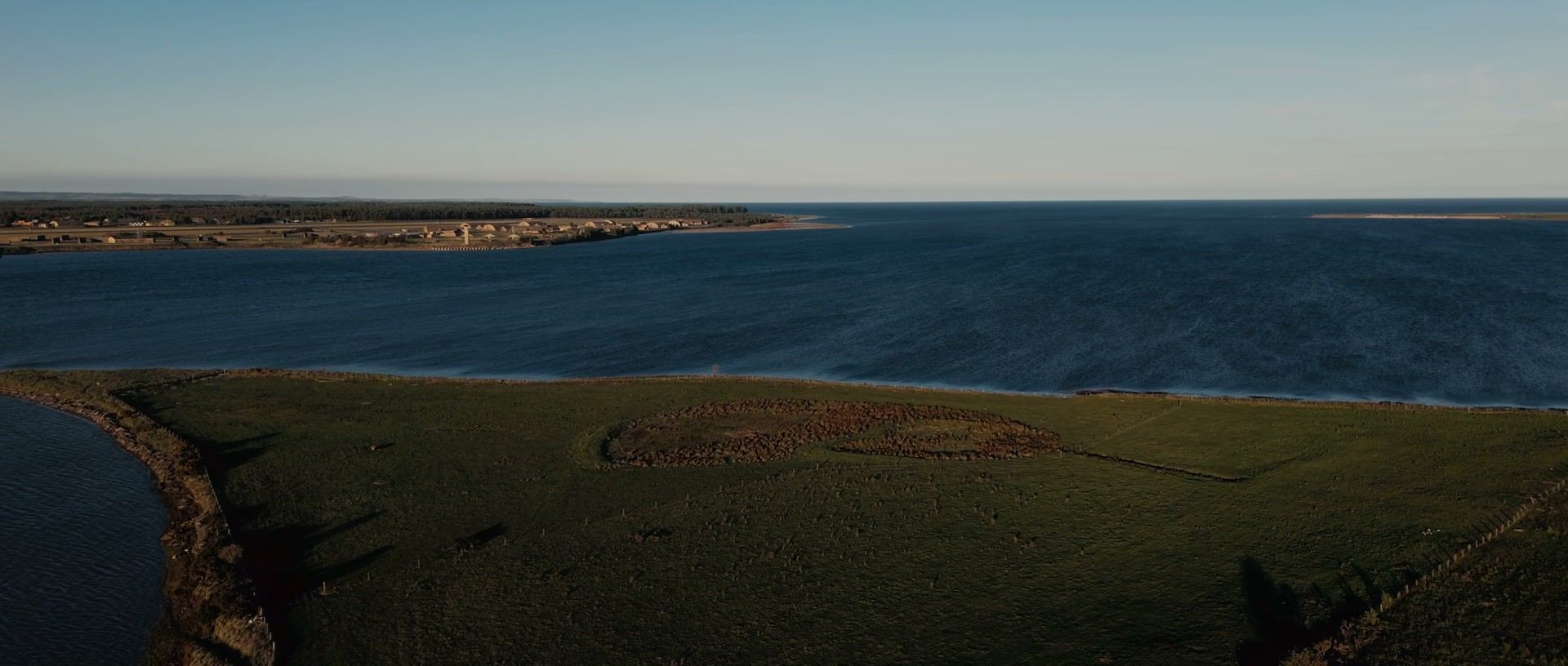
The single biggest reason to film in winter is the light. In the depths of the Scottish winter, the sun stays low in the sky all day, raking across the landscape at the kind of angle that summer only offers briefly at dawn and dusk. This low-angle light models the terrain, picking out ridges, texture and form, in a way that high summer sun simply flattens. For landscape and documentary work, this is transformative. A hillside that looks ordinary under a midday June sun becomes dramatic under the long shadows of a January afternoon.
Drama and atmosphere
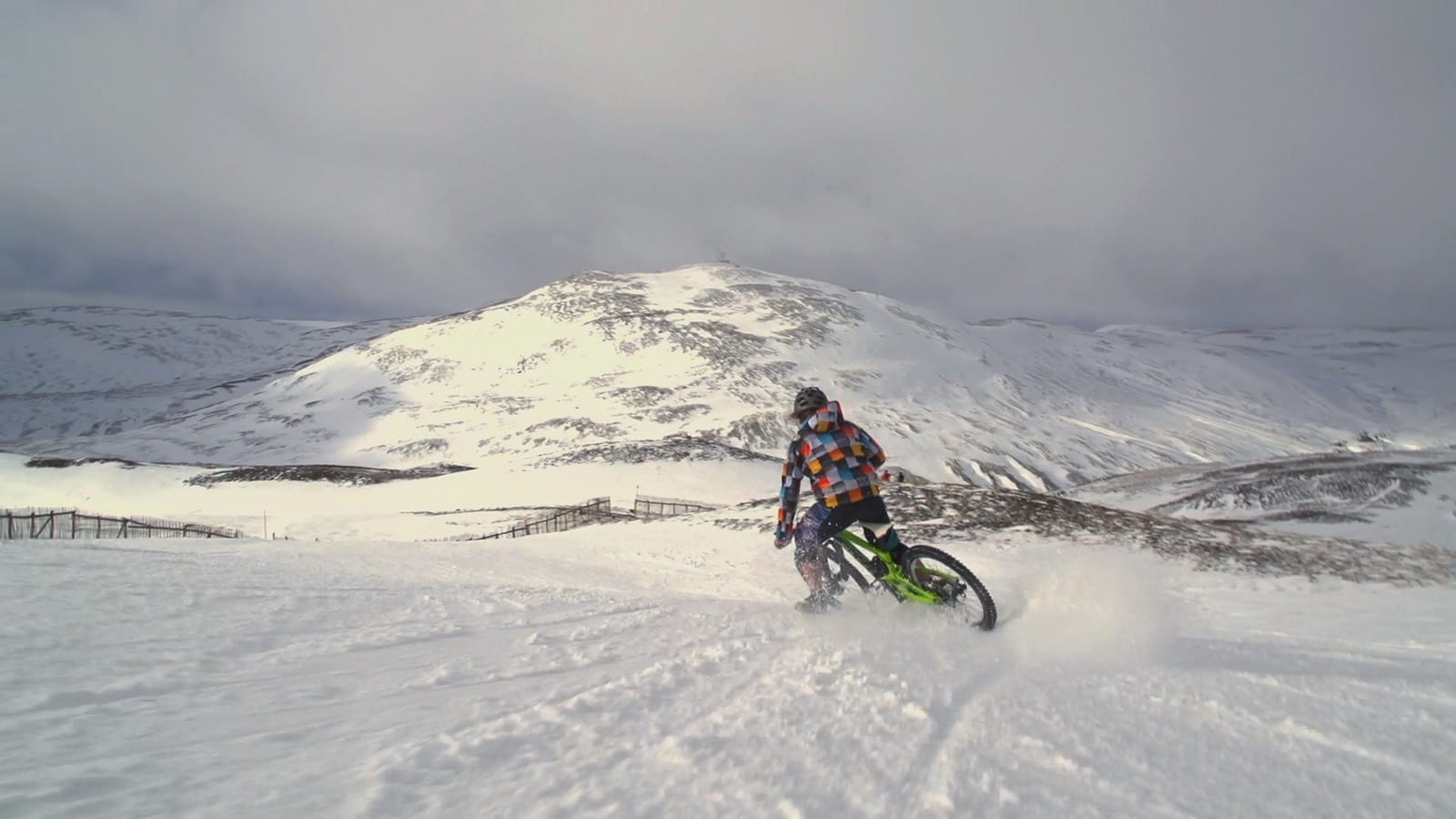
Winter in the Highlands brings snow to the high ground, mist in the glens, and fast-moving weather that creates genuine drama in a frame. The moody, atmospheric conditions that define the most memorable Scottish films, the kind that make a place feel wild and significant, are far more common in winter than in the benign light of summer. We made much of the footage that gives our documentary and tourism work its character in exactly these conditions.
The absence of crowds
There is a practical bonus: Scotland’s most popular locations are far quieter in winter. Filming at a honeypot site in July can mean working around crowds of visitors; the same location in February may be empty. For productions that need clean, unpopulated landscape shots, the winter months make locations available that are effectively unusable in peak season.
Reading the terrain before the camera arrives
A doctorate in geomorphology is not the usual background for a filmmaker, but it changes how a Highland winter shoot gets planned. Understanding how a corrie was carved by ice, why a ridgeline runs the way it does, or how freeze-thaw action has shaped a scree slope means reading a location for what will actually catch the light rather than what looks obvious from the car park. Scientific training instils a discipline of observing what is genuinely there instead of what you expect to see, and that discipline matters more in winter than in any other season, when low sun and shifting weather can transform the same hillside from flat and uninteresting to dramatic within the space of an hour. Recceing a Highland location with that eye is what turns a good winter shoot into the kind that produces footage nobody else has, and it is the same discipline that shaped how we placed community projects in their geographic context across highland Perthshire for Caterans Commonwealth.
Kit and logistics in the cold
Winter conditions punish equipment as well as crew. Battery life on cameras, drones and monitors drops sharply in low temperatures, so a winter shoot carries more spare batteries and keeps them warm until the moment they are needed, rather than assuming the runtimes quoted for a mild day will hold at minus five on a ridge. Lenses fog and condense when a crew moves between a cold exterior and a warm vehicle, which costs shooting time if it is not managed with patience and the right sequencing of gear. High wind, more common on exposed Highland ground in winter than in summer, restricts what a drone can safely fly, so aerial coverage on a winter shoot has to be planned around genuine weather windows rather than a fixed schedule. None of this is exotic knowledge, but it is the difference between a crew that loses a day to conditions it should have anticipated and one that does not.
The trade-offs are real
None of this is to pretend winter filming is easy. Daylight is short, sometimes brutally so, which compresses the shooting window and demands efficient planning. Weather can close in fast, access to high ground can become genuinely hazardous, and conditions that produce beautiful footage can also be dangerous for an unprepared crew. This is where fieldcraft and self-sufficiency matter most. A crew comfortable operating in demanding outdoor and mountain conditions can work safely and productively in winter; one that is not should not be there.
Planning a winter shoot
Winter filming rewards flexibility above all. The forecast governs everything, and the ability to move a shoot day to catch a clear, crisp window, or to wait out a storm, is the difference between extraordinary footage and a wasted, cold day. We plan winter productions with this built in, treating the weather as a creative collaborator rather than an obstacle. The same patience that defines our work across the Dream Wild project for Wild Scotland and our wider landscape work applies doubly in winter.
Why the difficult months win
The footage that distinguishes a serious Scottish landscape film from generic outdoor content almost always comes from the conditions most productions avoid. Low light, snow, mist and drama are not obstacles to work around; they are the reason to be there. The productions willing to embrace the difficult months come away with the footage everyone else wishes they had.
If you are developing a documentary or landscape film and want to make the most of Scotland’s winter, our documentary production service explains how we approach this work.
Frequently asked questions
Is winter filming in the Highlands safe?
It can be, with the right crew and preparation. Winter conditions in the Scottish Highlands range from benign to genuinely hazardous, and access to high ground demands experience and judgement. We treat fieldcraft and risk management as core skills, which is what allows us to work safely and productively in conditions that an unprepared crew should avoid.
Will short winter days limit how much we can film?
Daylight is short in a Highland winter, which compresses the shooting window and rewards efficient planning. But the low sun also extends the best light across much more of the day than in summer, so a well-planned winter shoot can be remarkably productive despite the shorter hours.
What preparation does a winter Highland shoot require?
It requires planning around both light and conditions. The short days mean the shooting window is compressed, so a winter shoot has to be efficient and well sequenced to make the most of the low, raking light that is the whole reason to be there. It also demands genuine fieldcraft: appropriate clothing and equipment, an honest assessment of access to high ground, and the judgement to know when conditions have crossed from dramatic into dangerous. Weather governs everything, so flexibility to move a shoot day to catch a clear, crisp window, or to wait out a storm, is essential. A crew comfortable operating in demanding mountain conditions can work safely and productively through a Highland winter; one that is not should not attempt it.
Does cold weather affect camera and drone equipment?
Yes. Battery life drops noticeably in low temperatures across cameras, drones and monitors, so a winter shoot carries more spare batteries than a summer one and keeps them warm until they are needed. Lenses fog when moving between cold air and a warm vehicle, and high wind on exposed Highland ground can ground a drone entirely, so aerial coverage has to be built around genuine weather windows rather than a fixed call sheet. Planning for this in advance is what keeps a winter shoot day productive.