Colour grading for video in Scotland is the step most production pipelines undervalue, and it is also the step that most clearly separates a film with a distinct visual identity from one that merely looks adequate. At Morrocco Media we treat the grade as a creative decision in its own right, made in DaVinci Resolve Studio, the industry standard, and given as much thought as the cinematography that precedes it. This is why it matters, and how the Scottish landscape itself shapes the approach.
Grading is not the same as correcting
There is a common misconception that colour grading is about fixing problems: balancing exposure, correcting white balance, matching shots filmed in different light. That is colour correction, and it is only the foundation. Grading proper is what happens next: establishing a mood, a consistency between shots, and a relationship between the image and the story it serves. A skilled grade does not just make footage look right; it makes the film feel like something.
The particular challenge of Scottish light
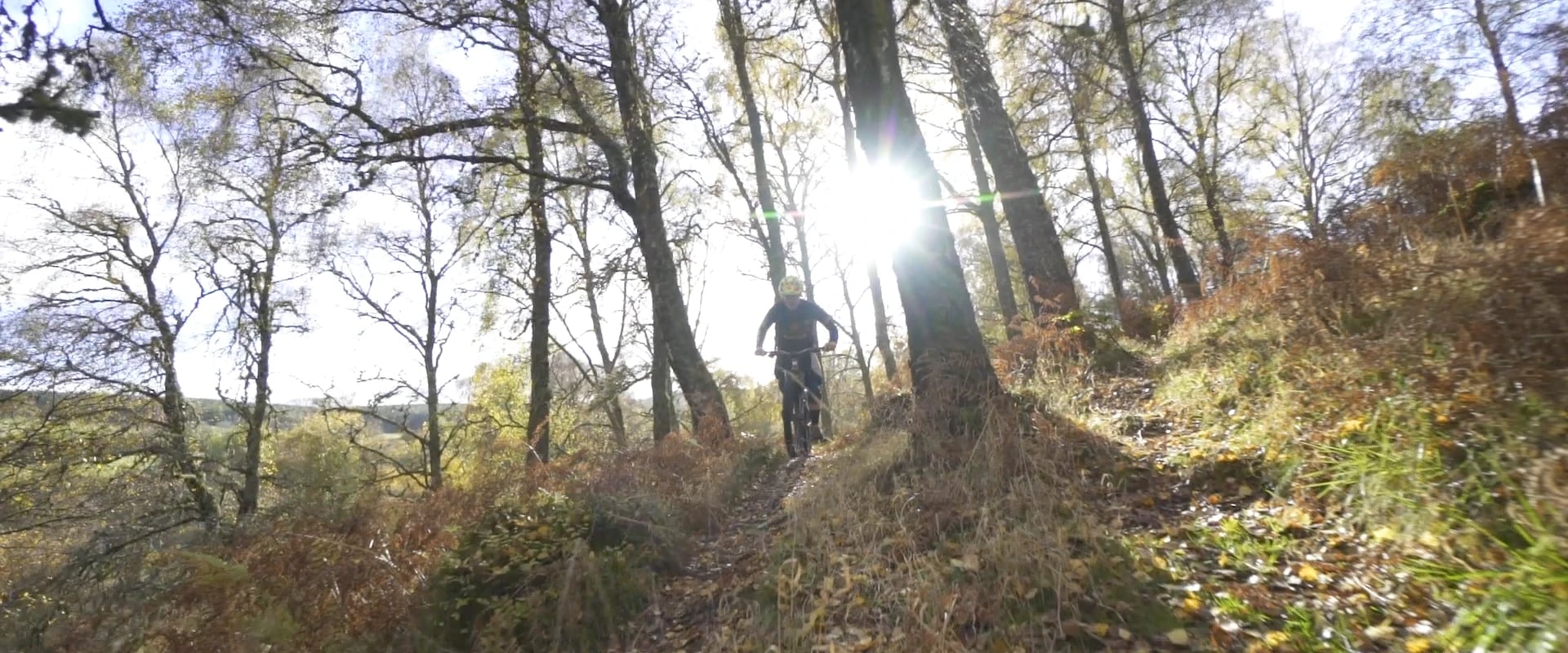
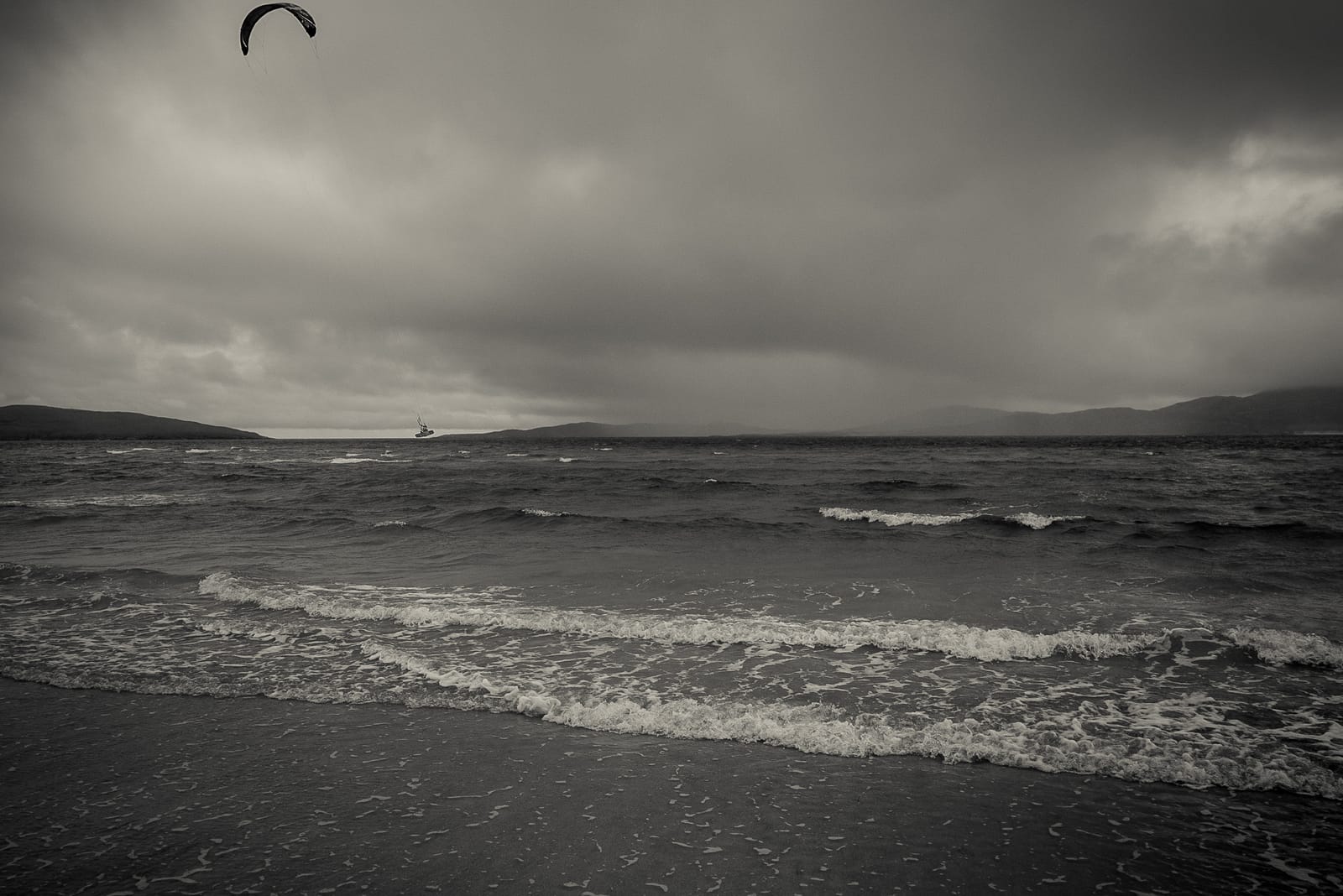
The Scottish landscape has a specific palette, and it is not the saturated, high-contrast look that dominates a lot of outdoor content. Scotland’s colours are subtle: the muted greens and browns of moorland, the silver-grey of a west coast sea, the deep blue-black of a winter loch, the warm ochre of autumn larch. The temptation in the grade is to push these toward something more obviously “epic.” The better instinct is usually to enhance the natural palette without distorting it.
When we graded the Dream Wild campaign film for Wild Scotland, the explicit goal was footage that felt authentic to anyone who had actually been in those environments while remaining immediately compelling to someone who had not. That balance, true to the place but elevated, is the heart of grading Scottish landscape film.
DaVinci Resolve and a considered workflow
DaVinci Resolve Studio gives a colourist the control to work shot by shot and scene by scene, building a grade that holds together across an entire film even when the footage was captured across different days, seasons and weather. For destination films in particular, this consistency is essential: a tourism film that lurches in tone from shot to shot undermines the sense of a coherent place.
Resolve’s node-based structure is what makes this practical. Rather than applying a single look to everything and hoping it holds, a colourist can separate the correction from the creative grade, isolate a sky or a skin tone without touching the rest of the frame, and carry a consistent look across hundreds of shots while still treating each one individually. On a project assembled from multiple shoot days, that separation is the difference between a film that feels made and one that feels compiled.
What colour grading video in Scotland can and cannot fix
It is worth being honest about the limits, because the grade is often asked to rescue decisions made much earlier. A grade can lift shadow detail, recover a sky, unify two cameras that were never matched on the day, and give a flat log profile the contrast and depth it was always intended to carry. It cannot invent detail that was never recorded. Footage clipped to white in the highlights has no information left to retrieve, and no amount of skill in Resolve will bring back the texture of a cloud that was blown out at the point of capture.
This is why the grade begins at the shoot rather than in the edit suite. Filming in a flat or log profile, protecting the highlights, and exposing with the finished look already in mind gives the grade the latitude it needs. When Morrocco Media both shoots and finishes a project, those decisions are made by the same person, which removes a translation step that often costs quality. When we grade footage shot by someone else, the first conversation is always about what the material can actually support, so the brief is set against what is there rather than what anyone hoped would be.
Consistency across seasons, weather and locations
Scottish productions are rarely shot in a single sitting. The Dream Wild campaign film for Wild Scotland covered Highland wildlife encounters, coastal kayaking, guided hill days and wildlife photography, filmed across a range of locations and seasons. The West Coast Waters series for Rural Dimensions was built the same way, returning to coastal locations when conditions were right rather than settling for whatever a fixed shoot day offered.
That patience produces better footage and a harder grade. Material gathered over months arrives with different light, different weather and different colour temperatures baked in, and the grade has to make it read as one continuous place. The work is less about applying a look than about removing the evidence of the schedule, so a viewer experiences a coherent region rather than a set of separate trips.
The grade changes with the subject
A destination film and a sport documentary want different things from the image. Tourism work generally rewards restraint, because the goal is to make a real place look like somewhere a viewer could actually go. Push the grade too far and the film starts promising something the visitor will not find when they arrive.
Documentary and sport often want the opposite. Comfort Zones, our film about steep skiing at Glenshee featuring Dr Philip Ebert and Professor Laurie Paul, is concerned with risk and the psychology of pushing into demanding terrain. There the grade is doing emotional rather than descriptive work, and a colder, harder image serves the subject in a way that would be quite wrong on a tourism commission. The tool is identical in both cases. The judgement is not.
Grading for different delivery contexts
A grade is not a single fixed thing. Footage destined for BBC broadcast has different technical requirements from footage for social media, which is different again from material intended for projection at an event. We have graded for all of these, and each context shapes decisions about contrast, saturation and how the image will read on the screen where it actually lands. A film that looks beautiful on a calibrated monitor but muddy on a phone has failed at the last step.
Why the grade deserves the time
Colour grading is where a film earns its visual identity, and it is worth protecting in both budget and schedule. A corporate video does not need to look like a corporate video; a tourism film does not need to look like every other tourism film. The grade is one of the most powerful tools for ensuring it does not.
What grading costs and how long it takes
Morrocco Media works to transparent, all-inclusive rates, and post-production is priced the same way as everything else: £110 per hour for smaller jobs, or £650 for a full editing or grading day, with no separate software or equipment fees. As a rule of thumb across our production work, one day of filming generates around two days of post, and the grade sits inside that alongside the edit, the sound design and any graphics.
The honest answer on duration is that it depends far more on the state of the footage than on the running time of the film. A single-camera project shot consistently in one profile can be graded quickly. A film assembled from several cameras, several seasons and several operators takes longer, because most of the work goes into matching before any creative decision is made. We look at the material and the brief before quoting rather than estimating from the finished length alone.
Morrocco Media offers grading and editing as a standalone service for clients who already have footage. Our post-production, editing and colour grading service explains how that works.
Frequently asked questions
Can you grade footage I have shot myself?
Yes. Colour grading is available as a standalone service. We regularly grade footage shot by others, working from all major camera platforms and accepting project files from Premiere Pro, Final Cut Pro and DaVinci Resolve. Send the footage and a brief and we will advise on what the grade can achieve.
Can a colour grade fix badly exposed or damaged footage?
Partly, and it is worth being clear about where the limit falls. A grade can lift shadow detail, recover a great deal from a flat or log profile, and match cameras that were never set up to agree with each other on the day. It cannot recreate information that was never recorded. Highlights clipped to pure white contain nothing to retrieve, so a blown sky stays blown. This is why exposure discipline at the shoot matters more than any decision made afterwards, and why we always review the material before saying what a grade can achieve.
How long does colour grading take?
It depends on the length of the film and the state of the footage, but grading is not a quick automated pass. A considered grade on a short film typically takes one to several days, balancing shot-to-shot consistency with the creative look the film needs. We treat it as a creative stage in its own right rather than a final tidy-up.
Why is DaVinci Resolve Studio the tool of choice for colour grading?
DaVinci Resolve Studio is the industry standard for colour grading because it gives a colourist precise, shot-by-shot control over the image while keeping an entire film visually coherent. That control matters enormously for Scottish landscape work, where footage is often captured across different days, seasons and weather conditions that have to be unified into a single consistent look. Resolve’s node-based grading, its handling of high-quality footage from every major camera platform, and its broadcast-grade delivery options mean we can take material from a multi-day, multi-location shoot and finish it to a standard suitable for BBC broadcast, national tourism campaigns, social media or event projection. The tool does not create the grade; that is a creative decision. But it gives us the control to realise it fully.
How should I film if I want the best result from the grade?
Film in a flat or log profile if your camera offers one, protect the highlights rather than the shadows, and keep white balance and picture settings consistent across cameras and across days. Shadow detail can be lifted later, but clipped highlights cannot be recovered. If you know roughly what the finished film should feel like before you start, expose with that in mind. Sending us a short test clip before a shoot is often the cheapest way to avoid a problem that would otherwise be discovered in the edit.
Do you grade differently for tourism films and documentaries?
Yes, and deliberately so. Tourism and destination work usually rewards restraint, because the film is making an implicit promise about a real place that a visitor will later go and see for themselves. Documentary and sport films are often doing emotional rather than descriptive work, so a colder or harder image can serve the subject in a way that would be entirely wrong on a destination commission. The software is the same in both cases. The judgement about how far to push is what changes.