Most businesses that commission video for the first time ask for one film. It is a reasonable instinct: one budget, one shoot, one thing to put on the homepage. But a good share of the most useful work we have made in Scotland has been a brand video series rather than a single piece: several short films, made to a shared look, released over months or years. Glen Lyon Coffee Roasters has three. Argyll and the Isles Tourism Co-operative has four. The Fresh Air Leadership Company has four. This post sets out what a series does that one film cannot, and when a single film is still the right answer.
What a brand video series is, and what it is not
A series is not one long shoot cut into lots of pieces for social media. That is a set of edits from a single film, and it has its uses, but every piece shares the same day, the same weather and the same handful of scenes, and the audience notices quickly.
A brand video series is a run of separate films, each with its own subject, made to a consistent look, pace and grade. Each one has to stand alone, because most viewers will only ever see one of them. Together they build something that no single film can: a recognisable visual signature that the audience starts to associate with the business before the logo appears.
Glen Lyon Coffee Roasters: three films over seven years
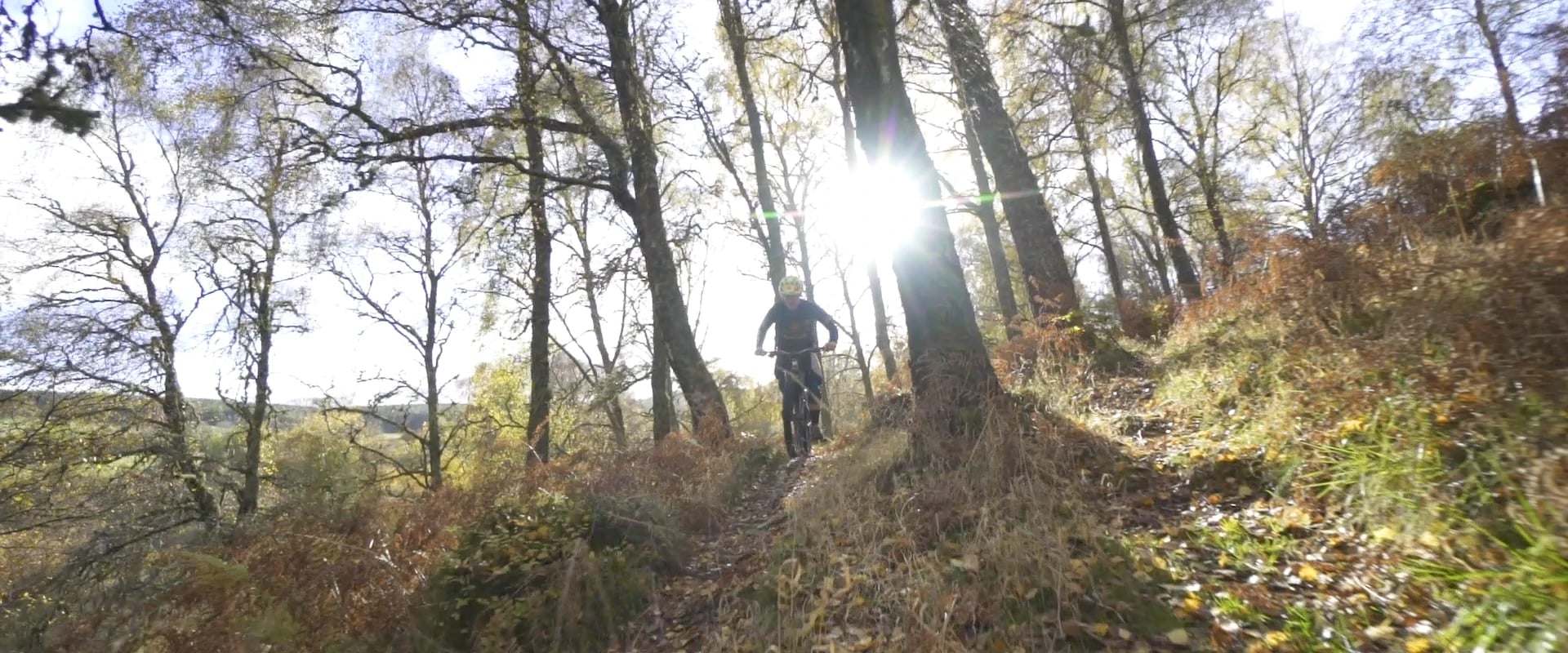
Glen Lyon Coffee Roasters is a speciality coffee business in Perthshire with an identity rooted in its Highland setting. We have made three brand films for them: Mountain Biking in 2017, Kayaking in 2018 and Gravel in 2024.
None of the three is about how coffee is roasted. Each is built around an outdoor activity, filmed as action cinematography, with the brand present rather than explained. The brief each time, in Jamie Grant’s words, was for “slick and eye-catching action videos” that promote the business. Each film was designed to work across the company’s website and social channels on its own.
The consistency is the point. The three films share an approach to composition, pace and colour grade, so the 2024 film reads as part of the same body of work as the 2017 one, seven years and a lot of camera development later. A coffee drinker who has seen one will recognise the next. That recognition is what a brand is paying for, and it accumulates with each release in a way that a single film, however good, cannot.
There is also a practical benefit. A business that commissions one film every year or two spreads the cost, and each new commission starts from an established look rather than a blank page. The decisions about grade, framing and tone have already been made, so the shoot days go on the subject.
Wild About Argyll: a campaign that grew
The same logic applies at regional scale. Wild About Argyll was commissioned by Argyll and the Isles Tourism Co-operative to position the region as Scotland’s adventure coast. The first film, in 2016, set the tone for the campaign: fast, physical, and filmed in real Argyll locations from the Cowal peninsula to the islands.
The second film turned to the water: sea kayaking and sailing along the Argyll coast. The third, in 2017, covered the land: mountain biking, hiking and trail running. A fourth followed in 2021, returning to the region with the same approach five years after the first.
Splitting the campaign by subject meant that each film had one job. A visitor interested in sea kayaking could be sent a film about sea kayaking rather than a montage in which kayaks appear for six seconds. The series as a whole still made the larger argument about Argyll, and the 2021 film could extend it without starting again. You can see how this kind of commission is run on our tourism video production page.
The Fresh Air Leadership Company: one film per offer
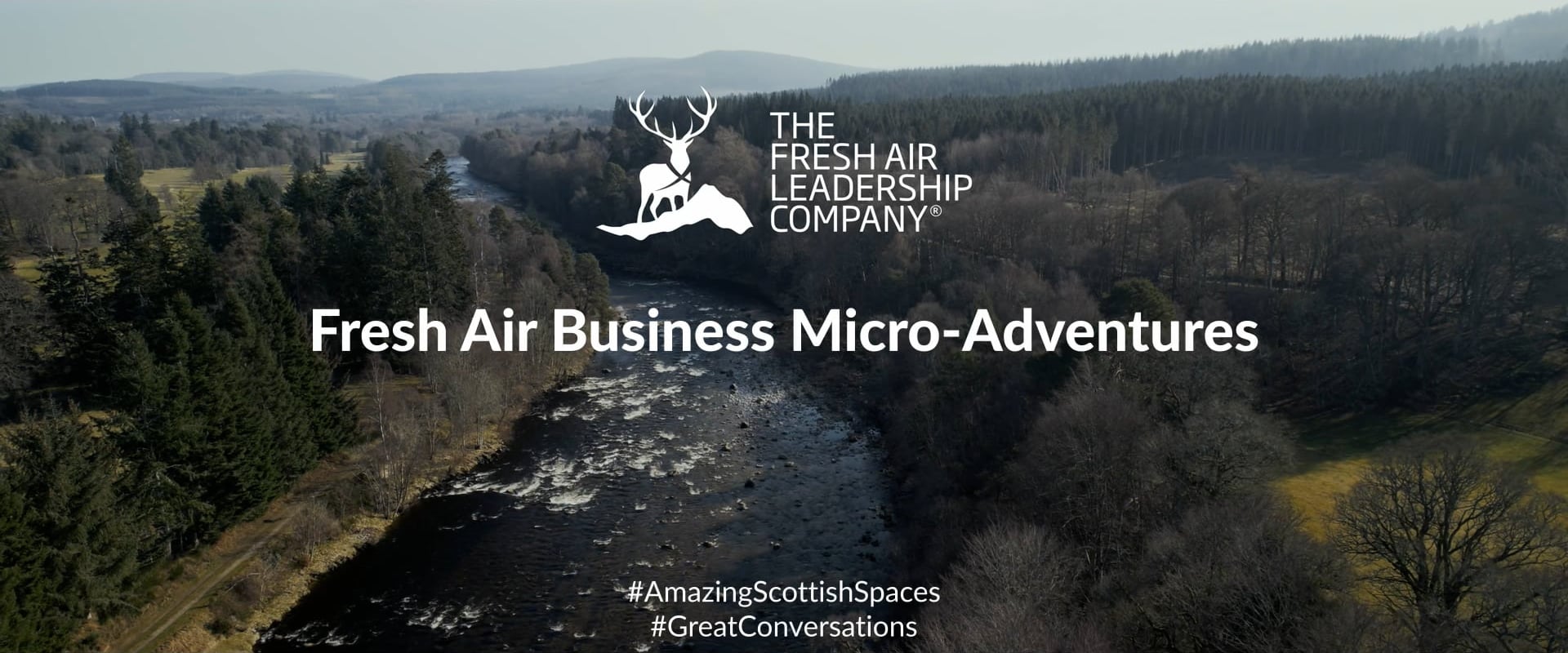
The clearest case for a series is a business that sells more than one thing. The Fresh Air Leadership Company runs four distinct outdoor formats: the Business TriVenture, business micro-adventures, team development days and Canoe Conversations. A single film would have had to cover all four in passing and would have explained none of them properly.
I filmed and edited four films instead, one per offer, documented in the Fresh Air Leadership case study. They run from eighty-three seconds for Canoe Conversations to three minutes and eleven seconds for the team development day. Each film follows a single day rather than assembling highlights from several, because a prospective client is trying to picture their own team in the footage, and one day told properly does that better than a montage.
Each film had to work alone, because a prospect arrives on one page of the website and not the others. Together they cover the range rather than only the flagship. A company with one film has something to show the people who have already asked. A company with four has an answer for whichever offer a prospect happens to be interested in.
Series inside a single commission
A series does not always mean several years. For Thrums Vets, the independent practice based in Kirriemuir, one period of filming produced three films: a short promotional piece, a longer observational day-in-the-life film, and a film explaining the practice’s Practice Plan membership. All three were cut from the same material and speak with the same voice, but each answers a different question for a different viewer. The thinking behind that shoot is in our post on authentic video for local businesses.
When one film is the right answer
A series is not always better. One film is the right commission when the business has one thing to say, when the film is tied to a single event or launch, or when the budget can only support one shoot done properly. One good film is worth more than three hurried ones, and a series that loses its consistency after the second instalment does more harm than good.
The useful question at the start is not “how many films?” but “how many different people need to be spoken to, and about what?” If the answer is one audience and one message, make one film. If it is several offers, several seasons or several audiences, a series is usually the better use of the same money.
How to plan a brand video series in Scotland
- Fix the look early. Agree the grade, framing and pace on the first film, and treat them as the brand’s visual rules from then on. Colour grading carries more of this than most clients expect; we cover why in our post on DaVinci Resolve and the Scottish landscape.
- Give each film one subject. One activity, one offer, one day. If a film needs a paragraph to explain what it is about, it is two films.
- Plan the shoots around the seasons. Scotland gives a series variety for free if the shoots are spread through the year rather than packed into one week.
- Budget per film, not per series. Our rates are the same whatever the length of the relationship: £650 for a full production day, £400 for a half day and £110 an hour for smaller jobs. A series is simply a sequence of those, planned in advance.
If you are weighing up one film against several, our corporate video production service is where most of these commissions start, and the first conversation is about what you need to say rather than how many films to make.
Frequently asked questions
How many films should a brand video series have?
As many as there are distinct things to say. Glen Lyon Coffee Roasters has three, each built around a different outdoor activity. The Fresh Air Leadership Company has four, one per offer. Start with one, fix the look, and add films when there is a new subject rather than to hit a number.
Does a series cost more than a single film?
Each film costs roughly what it would as a standalone commission, priced on the same day rates. The saving is in the planning: once the look is established, later films need less development, and shoots can be timed to make good use of the season and the location.
Can a series be filmed in one shoot?
Yes, if the subjects are close together. The three Thrums Vets films came from one period of filming. Where the subjects are seasonal or spread across a region, as with Wild About Argyll, separate shoots give each film its own conditions and its own light.